Bulky rubbish pickup Whitton TW2 guide for flats
Posted on 02/09/2026
If you live in a flat in Whitton and the bulky items have started to take over the hallway, the balcony, or that one awkward corner by the front door, you are not alone. A proper bulky rubbish pickup Whitton TW2 guide for flats should make the whole process feel simpler, safer, and much less stressful. The challenge is rarely just the rubbish itself. It is the stairs, the lift, the shared entrances, the neighbour who is always catching you at the worst moment, and the question of what can actually be removed without causing a mess.
This guide walks you through how bulky item removal works in flats, what to expect, what to avoid, and how to plan a smooth collection without disrupting the building. It also explains when professional help is the sensible choice, and how to keep things tidy, compliant, and efficient. Let's face it, nobody wants a sofa wedged in the stairwell at 7.30 on a Tuesday morning.
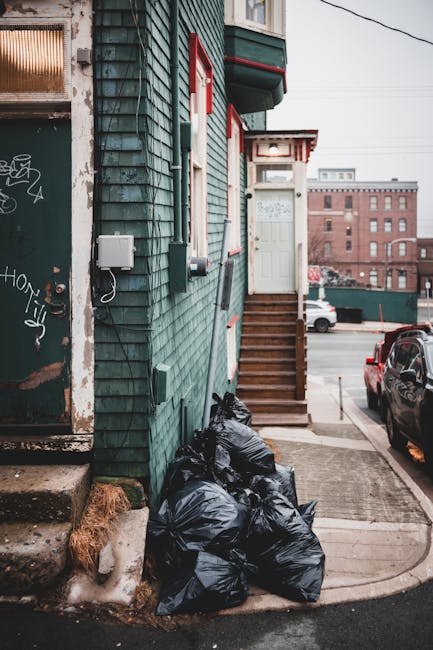
Why Bulky rubbish pickup Whitton TW2 guide for flats Matters
Flat living changes the whole disposal game. A bulky item in a house might be straightforward: open the door, carry it out, done. In a flat, the same item can involve shared corridors, restricted parking, building rules, lift protection, and access times that are much less flexible than you would like. If the item is large, heavy, awkward, or a bit old and splintery, the risk of damage goes up quickly.
That is why a flat-focused approach matters. The goal is not simply to remove unwanted things. The goal is to do it with minimal disruption to neighbours, with care for common areas, and without turning a simple clear-out into a building complaint. A careful plan also helps you avoid last-minute problems, such as discovering the lift is out of service or realising your bulky item will not fit safely down the stairs.
For Whitton and the wider TW2 area, this is especially useful for residents who are downsizing, replacing furniture, clearing student or rental flats, or dealing with a quick end-of-tenancy tidy-up. If the job is larger than a single item, many people also find it helpful to look at broader support such as local rubbish collection in Twickenham or, where the flat needs a fuller reset, house clearance services.
One thing people often underestimate is the emotional side. Old furniture can hang around for months because the disposal step feels annoying. Then one Sunday afternoon you finally decide enough is enough. That moment matters, because a clear plan makes action much easier.
How Bulky rubbish pickup Whitton TW2 guide for flats Works
In practical terms, bulky rubbish pickup for flats usually follows a simple pattern: identify the items, check access, choose the right removal method, book a collection, and prepare the items so they can be moved safely. Simple on paper. Less simple when a wardrobe has to pass a fire door by a few centimetres.
Most collections begin with a description of the items: what they are, how many there are, and whether they are broken down already. A single sofa, a bed frame, and a chest of drawers are very different from a full flat clearance with mattresses, white goods, and bagged clutter. If you provide honest, detailed information at the start, the process is usually smoother and more predictable.
Access is the big flat-specific issue. A collection team may need to know:
- which floor the flat is on
- whether there is a lift
- if there is resident or visitor parking nearby
- if the item needs to be carried through narrow communal areas
- whether building management needs notice in advance
These details help avoid delays and reduce the risk of damage. They also help the team decide whether the item can be collected as-is or whether it should be disassembled first. With furniture, that last point is often the difference between a tidy exit and a slightly chaotic one.
If you are weighing up options, it can help to compare bulky pickup with other removal methods. For example, furniture disposal is often the cleanest route for one or two items, while junk removal can make more sense if the flat has multiple mixed items that need sorting and lifting together. And for people renovating or moving out, waste removal can be a better fit than trying to piece everything into separate trips.
Key Benefits and Practical Advantages
The obvious benefit is convenience, but there is more to it than that. A good bulky pickup service for flats does three valuable things at once: it saves you physical effort, reduces the chance of damage in the building, and gets the item dealt with in one go rather than leaving it sitting around for days.
There is also a real time-saving angle. Many flat residents do not have a van, access to council collection slots, or the ability to drag a mattress downstairs without help. If you try to manage it alone, the task can swallow half a day. Sometimes more. And then you still have to decide where the item actually goes. Not ideal.
Practical advantages often include:
- Safer lifting: awkward and heavy items are moved by people used to handling them
- Better access planning: collections can be organised around lift use, parking, and building rules
- Less clutter: you avoid staging large items in communal areas for too long
- Cleaner finish: the area is usually left tidier than if you attempt a DIY removal
- Fewer complaints: less disturbance for neighbours, especially in busy blocks
If you care about responsible disposal, you may also want a provider with a recycling focus. That is where recycling and sustainability becomes relevant. In real life, that means reusable items may be separated from general waste where possible, which is better for the environment and usually feels better as a customer too.
Expert summary: For flat residents, the best bulky rubbish pickup is rarely the fastest one on paper. It is the one that fits the building, protects shared spaces, and removes the item without creating a second problem.
Who This Is For and When It Makes Sense
This kind of service is most useful for flat residents who have one or more large items that are too awkward for normal bin disposal. That includes sofas, wardrobes, mattress sets, broken desks, shelving, exercise equipment, and bulky household clutter that has built up after a move or refit.
It is also a smart option if you are:
- moving out of a rented flat and need the place cleared quickly
- dealing with end-of-tenancy furniture left behind by a previous occupant
- refreshing a small flat and replacing older items
- clearing a spare room, box room, or storage corner that has become a magnet for "temporary" rubbish
- managing a block where building rules make DIY disposal difficult
For some people, it is not just about convenience. It is about avoiding stress. A couple in a top-floor flat may have a sofa that can only be removed if it is cut down first. A landlord may need a swift turnaround between tenancies. A homeowner preparing to sell may want the flat looking spacious, not crowded with old furniture. If that sounds familiar, you may also find our article on buying and selling homes in Twickenham useful for the wider moving context.
For local residents who want a broader look at the area and how everyday services fit into Twickenham life, the article on exploring Twickenham gives a nice sense of the neighbourhood, while rubbish removal for Twickenham riverside homes is helpful if you live in a building with trickier access patterns.
Step-by-Step Guidance
If you want a smooth pickup, it helps to think in small steps instead of one big, vague task. Here is a practical route that works well in flats.
- List the items clearly. Write down what needs removing, including rough size and condition. "Old furniture" is too vague. "Two-seater sofa, dismantled bed base, broken office chair" is much better.
- Check building access. Look at lift size, stair width, parking rules, concierge hours, and any block restrictions. If you have to book loading access, do it early.
- Separate reusable and non-reusable items. Keep anything donate-worthy or resellable apart from waste. It avoids confusion later.
- Decide whether items need dismantling. Beds, wardrobes, and some desks are often easier to move in parts. A screwdriver and a little patience can save a lot of grief.
- Protect communal areas. Move items carefully, avoid dragging, and keep corridors clear. If possible, schedule the removal at a quieter time.
- Book the right service. For mixed or bulky loads, a dedicated collection is often more practical than a skip. If you only need one or two large pieces taken away, rubbish clearance may be the simplest route.
- Prepare the items for collection day. Bag loose bits, tape sharp edges, and make sure the items are accessible. A few minutes of prep can shave off a lot of faff.
- Confirm the final details. Recheck timing, contact instructions, and any parking notes so no one is guessing outside your building.
That last point sounds obvious, but it matters. A delayed pickup is often just a communication problem dressed up as a logistics problem.
Expert Tips for Better Results
A few small choices can make bulky pickup in flats much easier. The first is to be honest about access. If a team arrives expecting ground-floor access and discovers four flights of stairs, everyone loses time. Nobody enjoys that sort of surprise.
Second, try to bundle items sensibly. One mixed load is usually easier than multiple tiny jobs spread across several days. For example, if you are replacing a sofa, chair, coffee table, and old rug, handling them together is often more efficient than booking separate collections. That said, do not over-pack the job. There is a sweet spot, and the sweet spot is usually "manageable in one visit".
Third, use dismantling to your advantage. A wardrobe taken apart safely can become a far less stressful removal. A bed base, once broken down, may move through a narrow corridor without a headache. The key is to keep screws and fittings in a labelled bag so you are not hunting for them later. Been there, done that, and it is always the one bolt you lose.
Fourth, think about timing. Mid-morning on a weekday often works better than rush hour or late evening in busy blocks. You want enough daylight to see what you are doing, but not the peak building traffic that turns a simple carry-out into a standing-room-only corridor situation.
Finally, use the wider service structure wisely. If your flat cleanup is part of a move, renovation, or larger declutter, browsing the services overview can help you match the job to the right type of collection. For heavier or more mixed loads, the distinctions between skip hire, garage clearance, and loft clearance can matter more than people expect, even if your "loft" is actually just the cupboard you have been avoiding for a year.
Common Mistakes to Avoid
The most common mistake is underestimating the size and weight of items. A sofa that looks manageable in the living room can become a nightmare at the stairwell. Measure first. Always. It sounds dull, but dull is good when you are trying to avoid scratches on a communal wall.
Another frequent issue is leaving collection day prep until the last minute. If the lift needs booking or the concierge needs notice, you do not want to be sorting that out while the item is already blocking the hallway.
Other mistakes to watch for:
- forgetting to check whether large items need to be dismantled
- assuming one person can safely move everything alone
- blocking fire exits or communal walkways
- mixing sharp, fragile, and heavy items without any separation
- not confirming whether parking or loading access is available
- booking the wrong type of service for the load
There is also a very human mistake: hoping the item will somehow deal with itself if you ignore it long enough. It won't, annoyingly.
Tools, Resources and Recommendations
You do not need a van full of equipment to organise a bulky pickup, but a few simple tools make a big difference. A tape measure, a basic screwdriver set, strong tape, work gloves, and a marker pen are usually enough for most flat clear-outs. If the item is awkward, furniture sliders or a blanket can help protect floors during the move.
For planning, start with three questions:
- What exactly needs removing?
- How will it get out of the flat safely?
- Where should it go once it is gone?
If you are dealing with mixed household items or the flat has become cluttered over time, it may help to compare a few related services before you book. For example, junk removal suits mixed loads, furniture disposal is ideal for large single pieces, and rubbish collection can be practical for more routine disposal needs. If the job is bigger than expected, office clearance may even be relevant for home working spaces filled with old desks and broken chairs. That happens more often than people admit.
For trust and process questions, it is sensible to read about insurance and safety before booking, and to check the terms and conditions so you know what is included. If you want a clearer understanding of the company itself, the about us page is also useful. No one wants guesswork when there is a heavy wardrobe involved.
Law, Compliance, Standards, or Best Practice
Bulky rubbish pickup in flats should be handled with care, not just for convenience but for safety and compliance reasons. In the UK, waste should be managed responsibly, and it is sensible to use a properly run service that understands safe handling, lawful disposal, and the need to avoid nuisance in shared residential buildings.
For residents, best practice usually means:
- not leaving bulky items in shared hallways for long periods
- avoiding blockage of fire exits and escape routes
- checking building rules before moving large objects
- making sure waste is handed to a legitimate carrier
- keeping a record of what was removed if you are a landlord or letting agent
If you are managing a rental flat or a property sale, documentation matters more than you might think. Photos before and after collection can be helpful, especially where items were left behind by former occupants. A little admin now saves confusion later. Not glamorous, but practical.
For residents who value responsible disposal, pages like recycling and sustainability help set the expectation that reusable materials should be separated where possible. That is a sensible standard in flat clearances, especially when there are multiple items and mixed materials.
As always, if you are unsure about a specific item, it is safer to ask in advance than to assume. Softer household waste, white goods, furniture, and bulky mixed rubbish can all require different handling. Better to slow down for ten minutes than create a problem in a shared building.
Options, Methods, or Comparison Table
Different flat clear-outs call for different approaches. Here is a simple comparison to help you choose the most practical route.
| Option | Best for | Pros | Watch-outs |
|---|---|---|---|
| Bulky item pickup | One or a few large items | Quick, targeted, less disruption | Needs good access planning |
| Furniture disposal | Sofas, beds, wardrobes, tables | Ideal for awkward furniture | Some items may need dismantling |
| Junk removal | Mixed items and general clutter | Flexible and convenient | Can be less specific if you only have one item |
| Skip hire | Large DIY or renovation waste | Good for ongoing fill over time | Access and placement can be difficult for flats |
| House clearance | Whole-flat or major clear-outs | Comprehensive and efficient | Usually more involved than a single pickup |
For many flat residents, the answer is a simple pickup rather than a skip. Why? Because flats usually do not have the easy external space that makes a skip convenient. Shared access and parking can turn skip hire into a bigger headache than the rubbish itself.
Case Study or Real-World Example
Here is a realistic example. A resident in a Whitton block had a two-seater sofa, a broken ottoman bed, and a flat-pack wardrobe that had long since given up being a wardrobe. The flat was on the second floor with a lift, but the lift was too small for the wardrobe panels in one piece.
Rather than trying to force the job, the resident measured the widest pieces, dismantled the wardrobe carefully, and moved smaller parts to one side of the living room the evening before. They also checked with the building manager about the best access time and kept the corridor clear. The collection itself was finished quickly because the prep was done properly. Not magic. Just sensible planning.
That kind of job is exactly where a flat-specific approach pays off. If the resident had waited until collection morning to dismantle the furniture, the whole thing would probably have felt rushed and frustrating. Instead, it stayed calm. A little boring, even. Which, in this line of work, is often perfect.
For a slightly different scenario, think about a top-floor rented flat where the tenant is moving out on Friday and the landlord wants the space emptied before new photographs are taken. In that case, speed, tidiness, and communication matter more than anything else. A broader clearance service such as house clearance in Twickenham may be the better fit if there are multiple leftover items, while a simple bulky pickup is enough if there is just one sofa and a mattress.
Practical Checklist
Use this checklist before collection day. It keeps things simple.
- Confirm exactly which items are being removed
- Measure large items and the route out of the flat
- Check lift access, stairs, and communal restrictions
- Arrange parking or loading access if needed
- Disassemble furniture where practical and safe
- Separate reusable items from genuine waste
- Protect floors and walls in shared areas
- Keep corridors and exits clear
- Set aside screws, fittings, and small parts in a labelled bag
- Reconfirm the timing and any special instructions
Quick takeaway: The smoother the preparation, the cheaper and easier the collection usually feels. Not always, but often enough that it is worth the effort.
Get a free quote today and see how much you can save.
Conclusion
Bulky rubbish pickup in Whitton TW2 flats is really about making a difficult bit of flat life feel manageable. Once you understand access, timing, and the type of service you need, the whole job becomes much less daunting. The key is to plan like a flat resident, not like someone with a driveway and a garden gate. That small shift changes everything.
If your item is awkward, your building is strict, or the clear-out is building into something bigger, a thoughtful removal service can save time, reduce stress, and protect the shared spaces you all rely on. And honestly, that is worth a lot. A clear flat feels lighter. Quieter too.
When you are ready to take the next step, use the practical guidance here, choose the right removal method, and keep the process simple. The result is a tidier home and one less thing hanging over your week. A small win, but a good one.



 Tipper Van - Rubbish Removal and Builders Waste Collection Prices in Twickenham, TW1
 Luton Van - Rubbish Removal and Builders Waste Collection Prices in Twickenham, TW1